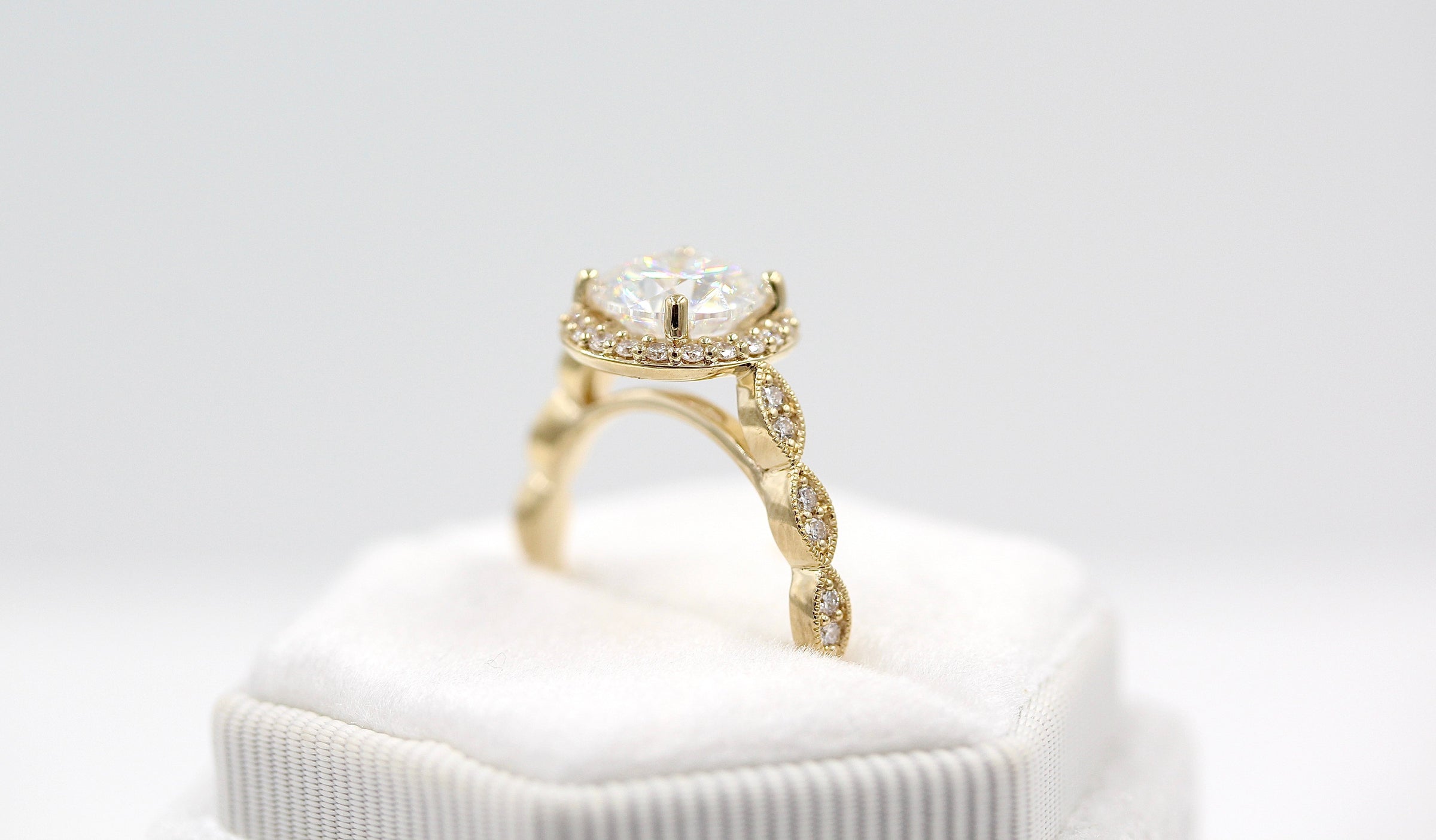


Understanding Keywords and User Intent
Searching for loose lab-grown diamonds isn’t random curiosity. Knowing exactly what type of stone is wanted shows clear direction. These buyers aren’t looking at mined gems – they’ve ruled those out. A loose setting means future plans for custom jewelry work. Purpose drives every choice here. Focus shapes the entire search. Starting with what matters most – quality, cost, shape – you weigh each factor carefully. Instead of rushing, you look closely at different choices, judging worth on your own terms. What drives this? Nothing flashy. Just the aim to get an actual diamond, free from outdated buying rules. Flexibility plays a part too. When the gem isn’t already mounted, you choose exactly how it sits in the setting. Truth matters most here – trust and control sit at the center. Knowing exactly what you get is nonnegotiable. Clear grades matter, just like honest prices without secret cuts. Tone follows that truth – it stays grounded. Hype falls flat; it has no place. What works instead? Straight details, openness, step by step direction, especially when choosing loose man made diamonds.
Lab Created Diamonds Explained Simply
Diamonds grown in labs aren’t pretend. Real sparkle, just born differently. Identical makeup to earth-mined ones – same hardness, shine, crystal layout. Origin’s the sole twist. Not forged deep below over eons but cooked up fast in machines. Technology replaces time. Weeks do what nature takes ages to finish. A steady outcome comes your way, with less guesswork involved. What lands on your plate? Predictability, simply put
- For that same amount of money, better quality is possible
- Better clarity shows up when colors shift just right. Options appear clearer once the tones settle differently. Seeing improves as shades adjust on their own
- Mining worries? You skip right past them. Sourcing troubles fade into the background. Problems that stick to extraction just don’t follow you here. Fewer headaches, naturally. Risks tied to digging deep stay buried where they belong
A set amount is fifteen hundred dollars. A natural diamond might mean something tiny, with flaws easy to spot. Choosing one made in a facility usually brings size plus clarity that stands out.
Buyers Pick Loose Stones
Picking out loose lab-grown diamonds means you decide every detail. No fixed settings limit what you can do. The gem comes before anything else. After that, the way it’s set is up to you. Starting strong when small things matter most. A ring crafted just how you like means the stone pairs perfectly with its frame. Since precision counts, both shape and clarity come out exactly as hoped. What shows up? Value that matches effort
- Better transparency in grading and pricing
- Freedom to design custom jewelry
- Ability to compare multiple stones directly
A single-carat diamond with a top-quality cut is your first pick. After that comes a plain gold setting, nothing fancy. Because of this approach, the piece carries more meaning. It usually also comes with a lower price tag.
Ways to Check a Diamond Clearly
A solid plan helps you move forward. Try the 4Cs – they work best when followed step by step.
Cut
A stone’s shine depends on its shape. Light bounces differently based on angles. Skip shortcuts with this part. A flawless gem loses glow when shaped wrong.
Color
Some stones show no hue at all, others carry a faint yellow tint. Most people find nearly clear ones give more worth for the money. These appear bright even though they cost less than top-tier picks.
Clarity
Faults inside tell how clear it is. Perfection isn’t required here. Seek gems that hide their marks when you look without aid.
Carat
A single word clears confusion: weight defines carat, never face-up spread. One might spot two stones sharing identical numbers yet wearing distinct silhouettes – cut shapes that outcome. A smart path leans on harmony between traits instead of fixating on a number. Letting size dominate decisions often dims brilliance, dulls fire.
Lab Options Are Easier To Use
Starting fresh, lab diamonds tackle real buyer concerns. Uncertainty drops when origins are clear. Quality stays consistent, not left to chance. Pricing becomes simpler, less mysterious. Confidence grows when choices feel grounded. Rarity-driven price hikes? Those just fade out. What matters most shows up in clear, testable traits. On top of that, getting hold is never hard. A broad selection pops up fast these days. That means side-by-side looks happen stress-free. Say you pull up several gems online, each tagged with official ratings. Seeing those details early trims down what fits your mind. Choices get sharper long before checkout.
Pricing What You Actually Pay For
Money stretches more because lab stones start cheaper. Even though cost works like lab created diamonds do. The 4Cs matter just the same. What changes is what you’re really spending on. Value shifts from scarcity to craftsmanship. Think of it this way instead
- Spend more on cut than on carat
- Start clear when it feels right to see. A look that rests easy comes through simplicity first
- Pay only for what you can actually spot. Not everything hidden counts
A tiny bit smaller stone, when cut really well, usually catches the eye more than a bigger rock with just okay shaping.
Common mistakes people make
Folks often hurry through buying stuff. That ends up with bad picks. Skip these errors
- Focusing just on how big something is
- Ignoring certification
- Choosing based on price alone
- Skipping comparisons
Sometimes it pays to slow down. Explore more than one choice at once. Look up the inspection results before deciding. When something feels easy, that is when you dig deeper.
Choosing Stones Based on Purpose
Aim begins it all. Is this piece meant to be a ring, maybe a pendant, or perhaps another form entirely. Shape follows that thought. Seek brilliance above all? Then cut takes the lead role. Want presence without weight? Let carat size share stage space with smart dimensions instead. When wearing it every day, pick something strong with tight fittings. Man made stones work well here since each stage stays under your control. Starting fresh means options open up naturally.
Lab Created Diamonds in Today’s Market
Now showing up everywhere, they’ve moved beyond being just an alternative. Mainstream shopping includes them today. Clearer details on cost and performance draw increasing numbers of buyers their way. Stores aren’t standing still either. Expect wider selections, improved guidance, and straightforward data at your fingertips. The change works in your favor. Control shifts toward you. Value improves across the board. Choices grow stronger when built on real information rather than guesses.
Simple steps to follow when buying
Focused steps make it clear. A steady flow keeps things moving. Order helps everything fit. Clarity comes from small, smart choices. Smooth rhythm avoids confusion.
- Set your budget
- Learn the basics of the 4Cs
- Compare at least three stones
- Check certification from a trusted lab
- Review return policies
A single diamond stands out among the three you picked. Although prices are close, its cut is sharper. So that one wins your attention – cost takes a back seat.
FAQ
Will lab made diamonds hold up during everyday use?
Exactly like natural diamonds, these share identical hardness. Built to handle daily wear without issue. Their strength matches earth-mined stones in every way.
Do loose diamonds cost less than pre-set jewelry?
Frequently, that’s right. Skipping the middle layers means less cost padding. Because of this, your money goes further toward the gem. The price reflects more of what it is worth.
How do I know if the diamond is real?
A grading report from an established lab? That’s what you need. It shows whether the diamond is real, plus how good it really is.