




Introduction
Lab grown diamonds have moved from niche to mainstream in a very short time. You are no longer choosing an alternative out of compromise. You are choosing a real diamond made with precision control and modern science. This article explains how lab grown diamonds work, how to judge quality, how pricing really works, and how to avoid common mistakes. By the end, you will know how to identify the best lab Grown diamonds lab made diamonds for your budget and purpose without relying on hype or vague claims.
What Lab Grown Diamonds Really Are
A lab grown diamond is not an imitation. It is not a simulant like cubic zirconia or moissanite. It is carbon arranged in the same crystal structure as a mined diamond. The difference is origin, not composition. Instead of forming underground over long periods of time, lab diamonds are created in controlled environments that replicate natural conditions.
There are two main production methods. High Pressure High Temperature and Chemical Vapor Deposition. Both produce diamonds that are optically and chemically identical to mined stones. You cannot tell the difference without advanced testing equipment. Even professional jewelers rely on lab instruments rather than eyesight.
Why People Choose Lab Made Diamonds
You choose a lab grown diamond because you want control. You can see exact specifications. You can compare stones side by side without relying on stories about rarity. You can often afford higher clarity or better cut quality within the same budget.
Another reason is consistency. Lab environments reduce unpredictable flaws. This does not mean every stone is perfect. It means you are more likely to find clean diamonds with strong light performance. If you care about symmetry and measurable quality, lab diamonds make sense.
Understanding the Four Cs Without Shortcuts
The Four Cs still matter. Cut, color, clarity, and carat weight determine how a diamond looks and performs. The mistake many buyers make is treating all four equally.
Cut matters most. A well cut diamond reflects light efficiently. Even a high color stone will look dull if the cut is poor. When reviewing certificates, prioritize cut grade and proportions. Look for excellent or ideal cut ratings with balanced depth and table percentages.
Color is next. Most people cannot see a difference between color grades that are close. For white metals, a G or H color often looks colorless to the eye. For yellow gold, even lower grades can appear bright. Do not overpay for top color unless you know why you want it.
Clarity refers to internal inclusions and surface marks. Many inclusions are invisible without magnification. An eye clean SI1 can look identical to a flawless stone once set. Focus on what you can actually see.
Carat weight is size. It does not define beauty. Two diamonds with the same carat weight can look very different depending on cut and shape. Spread and proportions matter more than numbers alone.
Certification and Why It Is Not Optional
Never buy a lab grown diamond without a grading report. Reputable labs such as IGI and GIA provide detailed assessments. The report confirms that the stone is lab grown and documents its quality characteristics.
Read the report carefully. Check growth method disclosure. Review measurements not just carat weight. Look at polish and symmetry grades. These details tell you how carefully the stone was finished.
If a seller avoids showing certification or uses vague descriptions, move on. Transparency is a baseline requirement.
Comparing Shapes and Their Tradeoffs
Round diamonds show light performance most efficiently. They tend to cost more per carat but hide inclusions well. Fancy shapes such as oval, pear, emerald, and cushion offer different looks and price advantages.
Emerald and asscher cuts show clarity more clearly due to their step facets. You need higher clarity grades here. Brilliant style shapes such as oval or radiant hide inclusions better.
Choose shape based on lifestyle and taste, not trends. Some shapes snag more easily. Some appear larger for the same carat weight. Think about how you actually wear jewelry.
Pricing Reality and What You Should Expect
Lab made diamonds cost less than mined diamonds. Prices continue to adjust as production scales. This is not a flaw. It is a market reality.
You should expect price differences between vendors even for similar stones. Compare specifications not labels. Look at cut precision and certification lab first. A lower price does not automatically mean lower quality.
Avoid paying premiums for branding language. A diamond is defined by measurable attributes. Focus on those.
Setting Choices and Long Term Wear
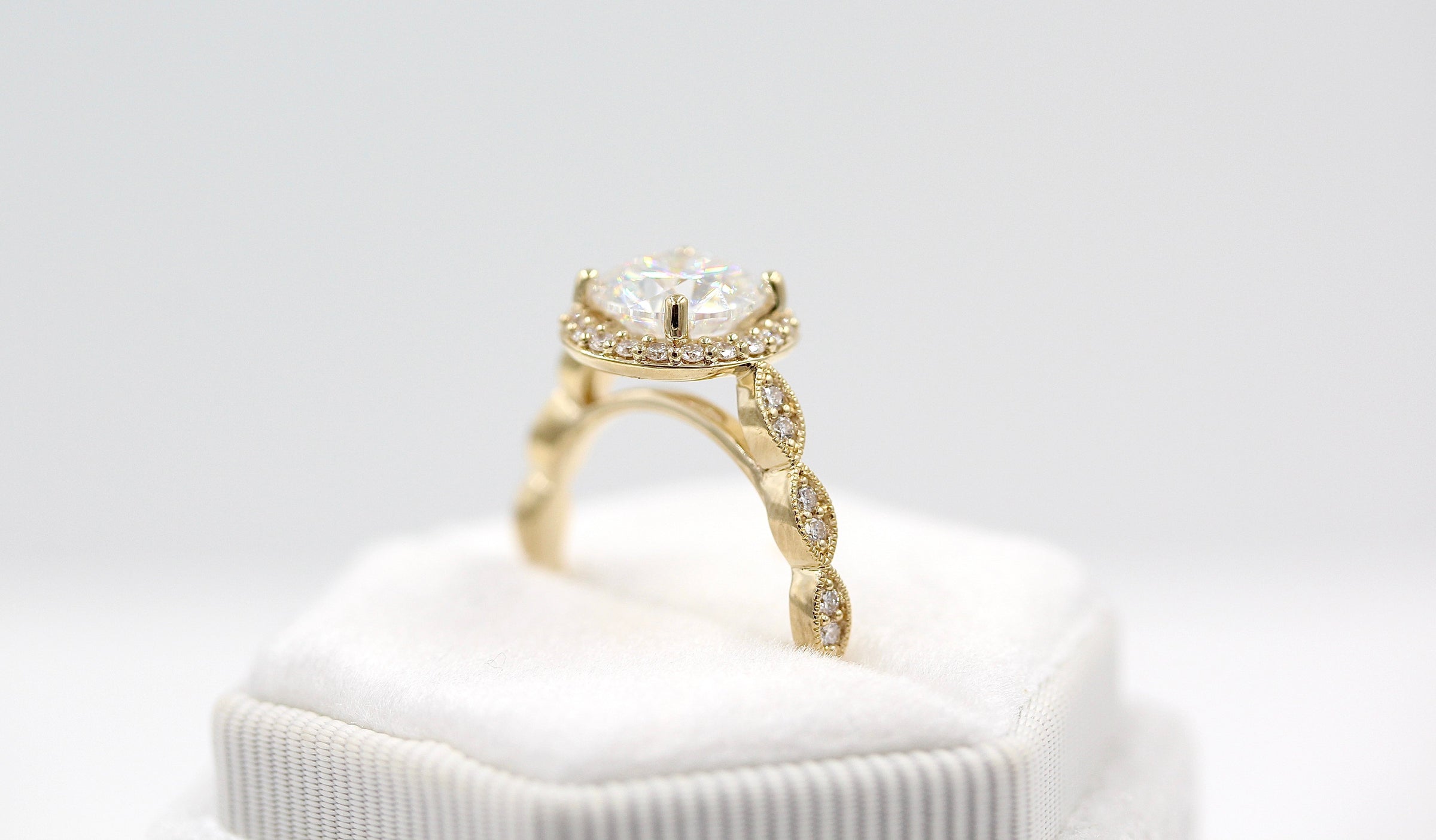
The setting affects how the diamond looks and how it holds up. Prongs expose light but require inspection over time. Bezels offer security but change visual presence.
Metal choice affects color perception. Platinum and white gold emphasize whiteness. Yellow gold softens warmth. Choose based on how you want the diamond to appear in daily wear.
Think about maintenance. Some settings need periodic tightening. Some metals scratch more easily. These factors matter more than style descriptions.
Common Mistakes Buyers Make
One mistake is chasing the highest grade in every category. This leads to overspending without visible benefit. Another is ignoring cut details beyond the headline grade.
Some buyers focus on carat weight alone. This can result in shallow or deep stones that look smaller or darker. Others rely on stock photos instead of actual images or videos.
Take time to review real visuals. Ask for magnified images. Look at how the diamond performs in motion.
How to Evaluate Sellers
A good seller provides clear information and answers direct questions. You should see full certificates, actual stone images, and return policies explained in plain language.
Be cautious of pressure tactics. You do not need to rush. The supply of lab diamonds is stable. If a deal feels forced, step back.
Look for sellers who educate rather than persuade. The best experience is one where you feel informed rather than guided toward a specific outcome.
When Lab Grown Diamonds Make the Most Sense
Lab diamonds are ideal when you value precision, transparency, and flexibility. They work well for engagement rings, anniversary gifts, and custom designs where quality targets are specific.
They are also practical when upgrading size or quality within a fixed budget. You can focus resources on cut and craftsmanship rather than origin premiums.
For many buyers, the best lab Grown diamonds lab made diamonds are the ones that meet clear personal criteria instead of abstract ideals.
Final Guidance for Confident Buying
Start with your priorities. Decide what matters most visually and practically. Learn how to read a grading report. Compare multiple stones before deciding.
Use your budget intentionally. Spend where it changes what you see. Save where differences are invisible.
The goal is not perfection. The goal is confidence. When you understand the details, lab made diamonds become simple to evaluate and easy to choose.