




Lab Grown Diamond Basics
Real diamonds grown in labs start life just like mined ones, only faster. These stones share identical traits with earth-formed gems – same sparkle, same hardness. Formation sets them apart. Instead of eons beneath rock layers, they emerge through precise methods in weeks or months. Pick your shape, how clear it looks, even how big. Each option opens paths to something unique. Starting with rings, these gems show up in earrings too, then flow into necklaces – tennis styles included. Identical in appearance to real diamonds, they bring elegance minus the steep price tag.
Lab Made Diamonds Creation Process
One way tennis necklace is through high pressure and extreme heat. Another method involves gases inside a chamber forming diamond layers over time.
- Certain conditions push carbon into a new form. Under intense heat and heavy squeeze, atoms rearrange themselves much like they do deep underground. This process takes place inside specialized chambers where pressure climbs sharply. Heat rises steadily alongside it. The result looks identical to what forms over millions of years below Earth’s surface. Structure matches nature exactly. No shortcuts taken.
- A thin slice of diamond gets built up when carbon vapor settles on it piece by piece. One breath of gas at a time sticks to the base, slowly forming fresh structure. Over hours, each puff adds height, shaping what becomes a full crystal. The core stays untouched while outer parts stretch outward through steady buildup.
Fake it till you make it – these lab-made gems match real ones atom by atom. One might fit better depending on what’s around, how big you need, or little quirks in look.
Laboratory Grown Diamonds Explained
Diamonds grown in labs bring real benefits. Same shine, same toughness – just less money out of pocket. Because they skip the mine, nature takes less of a hit. Workers aren’t caught in harsh conditions either. These stones form without digging up earth. Fewer scars on landscapes. No heavy machinery tearing through soil. People want beauty that doesn’t come with guilt. This option fits that need quietly. Value sits not only in glitter but in choices behind it. A single flaw won’t hide in a row of lab grown diamonds strung along a tennis chain. Each stone matches its neighbor because precision crafting removes natural irregularities found in mined gems.
How lab grown diamonds are made and what to know when buying
When you choose a lab made diamond, focus on the following:
- A stamp from a known lab can show what you’re getting is legit. Quality checks matter when it comes to proof.
- Light bounces best when the shape is right, not just big. A good form spreads glow across the surface.
- Bright or clear? Think about whether tiny flaws matter to you, or if perfect gems feel necessary. Flawless ones often come with higher prices. Stones without color can seem livelier in light.
- When picking a stone, think about where it’ll sit – like on a chain or band. A tiny gem can blend smoothly next to others nearby. How big it is changes how the whole piece catches light.
Start by looking at samples either on websites or shop displays. Real sunlight shows how each stone truly looks. That view builds sureness when deciding.
Lab Grown Diamonds in Jewelry
Lab made diamonds are versatile. You can use them in:
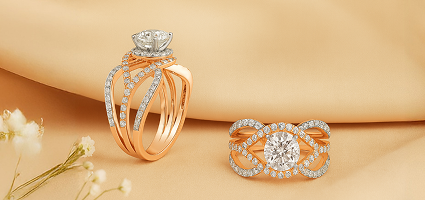
- Engagement rings
- Wedding bands
- Tennis necklaces and bracelets
- Stud earrings
A single flash of light runs along the chain, unbroken by flaws. Lab grown stones line up in perfect rhythm, each shaped just like the next. One follows another without gap or shift. The shine stays steady, never flickering out of step.
Cost and Value
Diamonds grown in labs often cost 20 to 40 percent less compared to those dug from the earth. For the same amount of money, size goes up or quality improves. What you might get back later isn’t always like traditional diamond returns. Still, initial savings add up, opening room for extra pieces or something bolder in your set.
Example
A single carat of lab-grown on a chain could set you back just like seventy percent in mined form. Shine stretches further when budget meets design.
Caring for Lab Grown Diamonds
Fresh from the lab, these stones stand up well to wear yet resist scratches just fine. Yet over time their sparkle needs a wipe down now and then.
- A gentle wipe works best when you start with a damp, soft fabric. Cleaning gets easier if soap comes into play – just make sure it’s light and mixed with water. Finish by drying slowly so nothing sticks.
- Beside other pieces, keep it apart. This stops marks from forming when they touch.
- A closer look makes sense when pieces have complex designs, say a necklace lined with stones. Checks by experts help catch what eyes might miss in detailed settings.
FAQ
Could a diamond grown in a lab still be the real thing?
Fine. Identical in makeup, look, and structure to mined diamonds.
Can lab made diamonds be used in fine jewelry?
Fine choice for rings, sure. Necklaces work too. Earrings? Just as good. Tennis styles most of all – consistency matters there.
Fake gems from labs – how do their prices stack up against real ones dug from the ground?
Fifty-fifty on pricing – often a solid chunk cheaper, think twenty to forty percent. That gap opens doors: bigger pieces, finer cuts, all without stretching your wallet.


